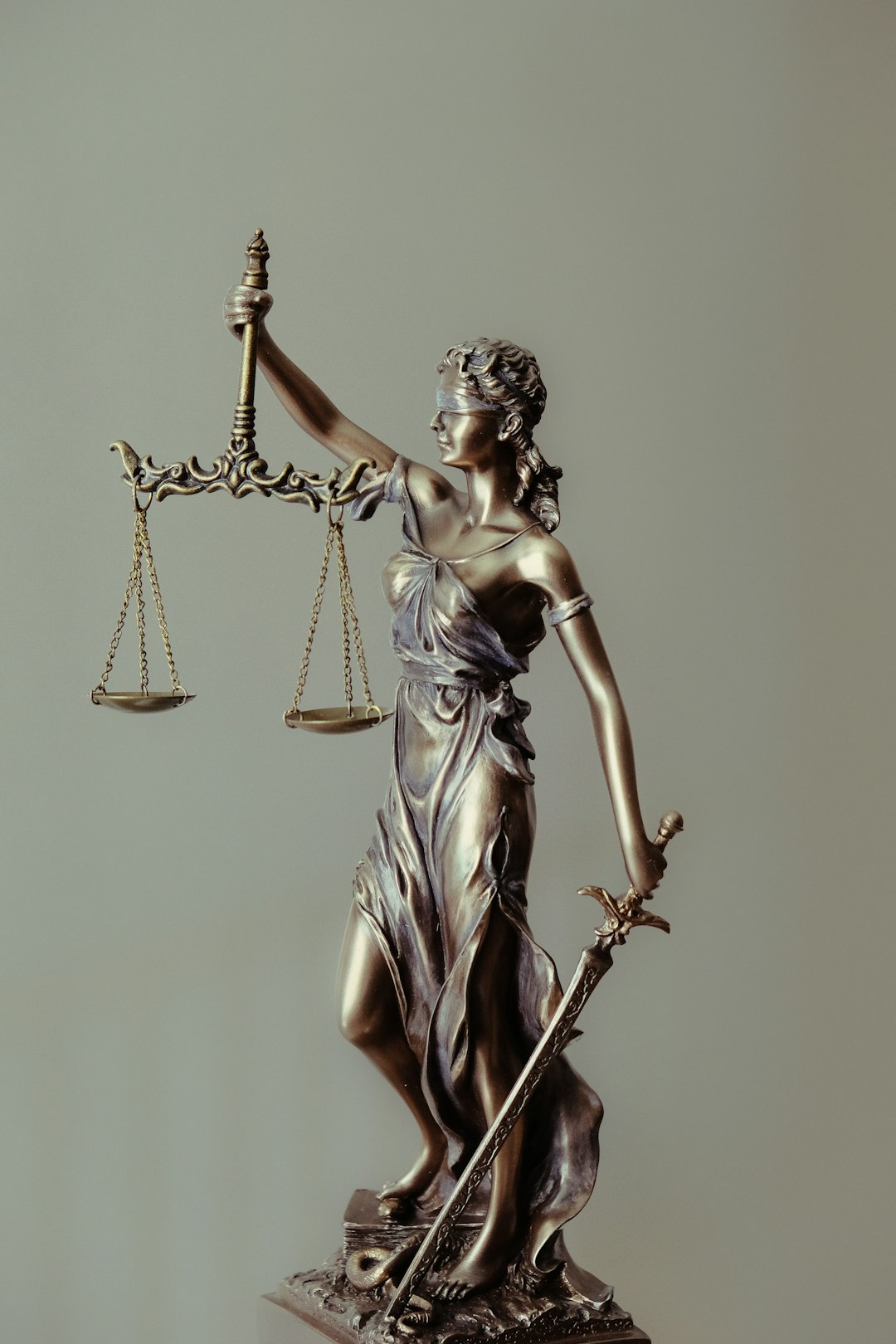
Strategic law office lighting design enhances productivity, reduces eye strain, and supports equipment performance. Combining natural and artificial lighting with adjustable color temperatures improves visual comfort and energy efficiency. Smart controls and dynamic systems maximize lighting effectiveness for diverse tasks, creating an ergonomic environment that benefits both professionals and equipment in today's digital workplace.
In the fast-paced world of legal services, a well-lit law office is more than just an aesthetic consideration – it’s a strategic asset. Effective lighting enhances productivity among legal professionals, facilitating clear thinking, improved document readability, and reduced eye strain. However, navigating the balance between ambient comfort and task-specific illumination can be challenging. This article delves into the crucial interplay between law office lighting and operational efficiency, exploring evidence-based strategies to optimize spaces with an emphasis on practical, cost-effective solutions that enhance both workflow and employee well-being, integrating naturally with state-of-the-art law office equipment.
- Evaluating Lighting Needs for Optimal Law Office Equipment Performance
- Implementing Energy-Efficient Solutions for Productive Legal Workspaces
Evaluating Lighting Needs for Optimal Law Office Equipment Performance
The design of a law office extends beyond aesthetics; it directly impacts productivity and the performance of essential law office equipment. Lighting, often an overlooked aspect, plays a pivotal role in creating an environment conducive to focused work. Natural light is ideal for law offices, as it reduces eye strain and enhances visual acuity, which are critical for tasks involving detailed documentation and research. However, artificial lighting must supplement natural light, especially during non-daylight hours, to maintain consistent productivity levels.
Evaluating lighting needs requires a nuanced understanding of the various functions within the office. For instance, areas where legal research is conducted or complex documents are drafted should have adjustable lighting solutions that permit individual control over brightness and color temperature. Warmer light temperatures (2700K-3000K) can promote relaxation and reduce eye fatigue, while cooler temperatures (4000K-5000K) enhance focus and alertness. Additionally, incorporating task lighting, such as table lamps or gooseneck fixtures, allows lawyers to direct light precisely onto their work surfaces, minimizing shadows and glare that can affect the legibility of text.
Data from studies by the Illuminating Engineering Society of North America (IESNA) suggests that maintaining adequate lighting levels—typically between 500 and 1000 lux for office spaces—can significantly improve performance and reduce errors in legal documentation. Law offices should aim to integrate dynamic lighting systems that adapt to changing natural light conditions throughout the day, ensuring consistent illumination without overexposure or shadows. This not only enhances the accuracy of work but also reduces the risk of eye strain and related productivity losses.
To optimize law office equipment performance, consider employing dimmable LED fixtures with adjustable color temperatures. These can be programmed to shift lighting conditions to mimic natural day-night cycles, promoting better sleep patterns among staff and reducing fatigue. Moreover, incorporating smart lighting controls enables lawyers and support staff to set personalized lighting preferences for different tasks and activities, creating a more adaptable and ergonomic work environment. Regularly evaluating and adjusting lighting strategies will ensure the law office remains a productive, comfortable, and efficient space for all its occupants and equipment.
Implementing Energy-Efficient Solutions for Productive Legal Workspaces
In today’s digital age, the law office environment has evolved significantly, placing greater emphasis on creating productive legal workspaces that cater to modern professionals. One often-overlooked yet critical aspect of this transformation is lighting, which not only enhances visual comfort but also plays a pivotal role in energy efficiency. Implementing energy-efficient solutions for these spaces offers multiple benefits, from reduced operational costs to improved productivity and employee well-being.
Energy-efficient lighting systems, such as LED (Light Emitting Diode) fixtures, are increasingly becoming the norm in law offices due to their longevity, versatility, and environmental friendliness. Unlike traditional incandescent bulbs, LEDs consume significantly less electricity, translating to substantial long-term savings. For instance, according to the U.S. Department of Energy, switching to LED lighting can reduce energy use for lighting by 75% or more compared to incandescent bulbs. This not only diminishes utility bills but also contributes to a greener environment, aligning with many law firms’ sustainability goals. Moreover, modern LED lights are designed to mimic natural daylight, which helps regulate circadian rhythms and promotes better concentration throughout the day.
To maximize productivity in law offices, strategic lighting placement is essential. Task-specific lighting for areas like legal research desks or conference rooms ensures optimal visibility without causing eye strain. Incorporating adjustable lighting fixtures allows professionals to tailor light levels according to their preferences and tasks, enhancing focus and reducing fatigue. Additionally, incorporating natural light through well-placed windows or skylights can further improve productivity and employee satisfaction. When combined with energy-efficient artificial lighting, these strategies create dynamic workspaces that support the demanding work of legal professionals while promoting sustainability—a true win-win scenario.
By evaluating lighting needs for optimal law office equipment performance and implementing energy-efficient solutions, legal professionals can enhance productivity and reduce environmental impact. Understanding how natural light and artificial lighting interact with various law office equipment is crucial. Adjusting lighting to suit specific tasks, such as document review or trial preparation, ensures not only enhanced visibility but also preserves the integrity of physical documents and digital displays. Adopting energy-efficient technologies, like LED fixtures and motion sensors, not only lowers operational costs but also contributes to a more sustainable working environment. These strategies demonstrate a commitment to both practical efficiency and environmental stewardship within the law office setting.